
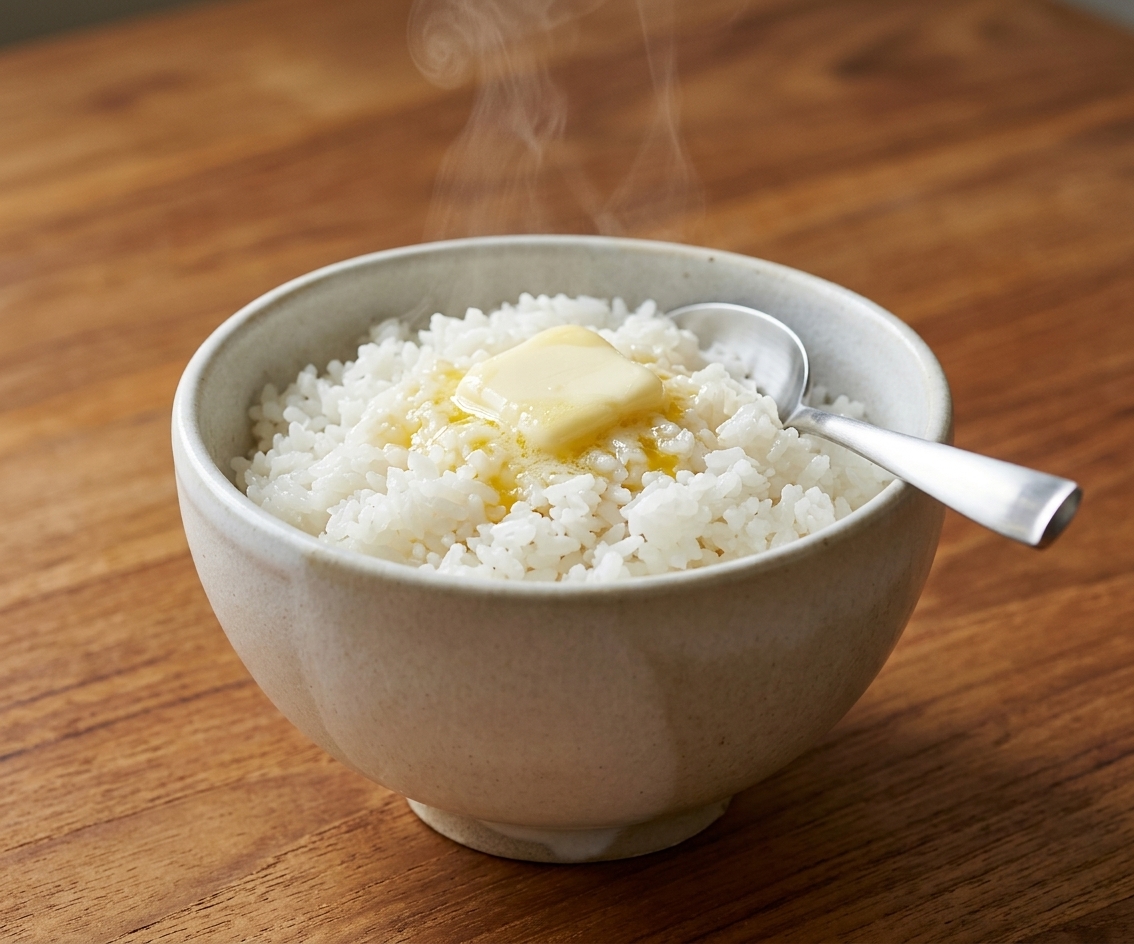
I was watching videos on YouTube yesterday when I saw one about arsenic in rice. I said to myself, “What! How could that be?” Since, one cannot believe everything one sees on YouTube, I looked it up today. I really had no idea this was the case. I am shocked. In the past I would overeat rice all the time. I’m glad I stopped that practice.
I found an article about arsenic in rice online and produced a summary, which is below. The full title and link is at the end of the summary.
Article Summary
Arsenic is a naturally occurring, toxic element in soil and water that porous rice plants absorb during growth. A recent study found arsenic in 100% of tested U.S. store bought rice samples, though concentration levels vary significantly depending on the variety and origin. Brown rice contains higher levels of arsenic than white rice because its outer grain layers remain intact. Additionally, rice grown in California, jasmine rice from Thailand, and basmati rice from India generally contain lower arsenic concentrations, whereas Italian Arborio rice and white rice from the southeastern United States have higher levels.
Despite the presence of arsenic, registered dietitian Beth Czerwony noted that rice remains safe to eat and carries a very low health risk for most people. However, extra caution is recommended for pregnant women and young children, as early exposure can cause developmental issues, lower birth weights, and reduced IQ. For adults, long-term elevated exposure is linked to cardiovascular disease, Type 2 diabetes, skin disorders, and certain types of cancer.
To minimize arsenic exposure while still enjoying the nutritional benefits of rice, it was recommended that individuals adopt several cooking and dietary strategies. Preparing rice in excess water (six to 10 parts water to one part rice) and draining it can reduce arsenic levels by 40% to 60%, and soaking grains before cooking also helps lower toxic content. Consumers can further limit their risk by practicing moderation, opting for lower-arsenic rice varieties, or swapping rice for alternative grains like quinoa, farro, and barley.
Full article: “Should You Be Worried About Arsenic in Rice?” Cleveland Clinic Health Essentials. Link.

